
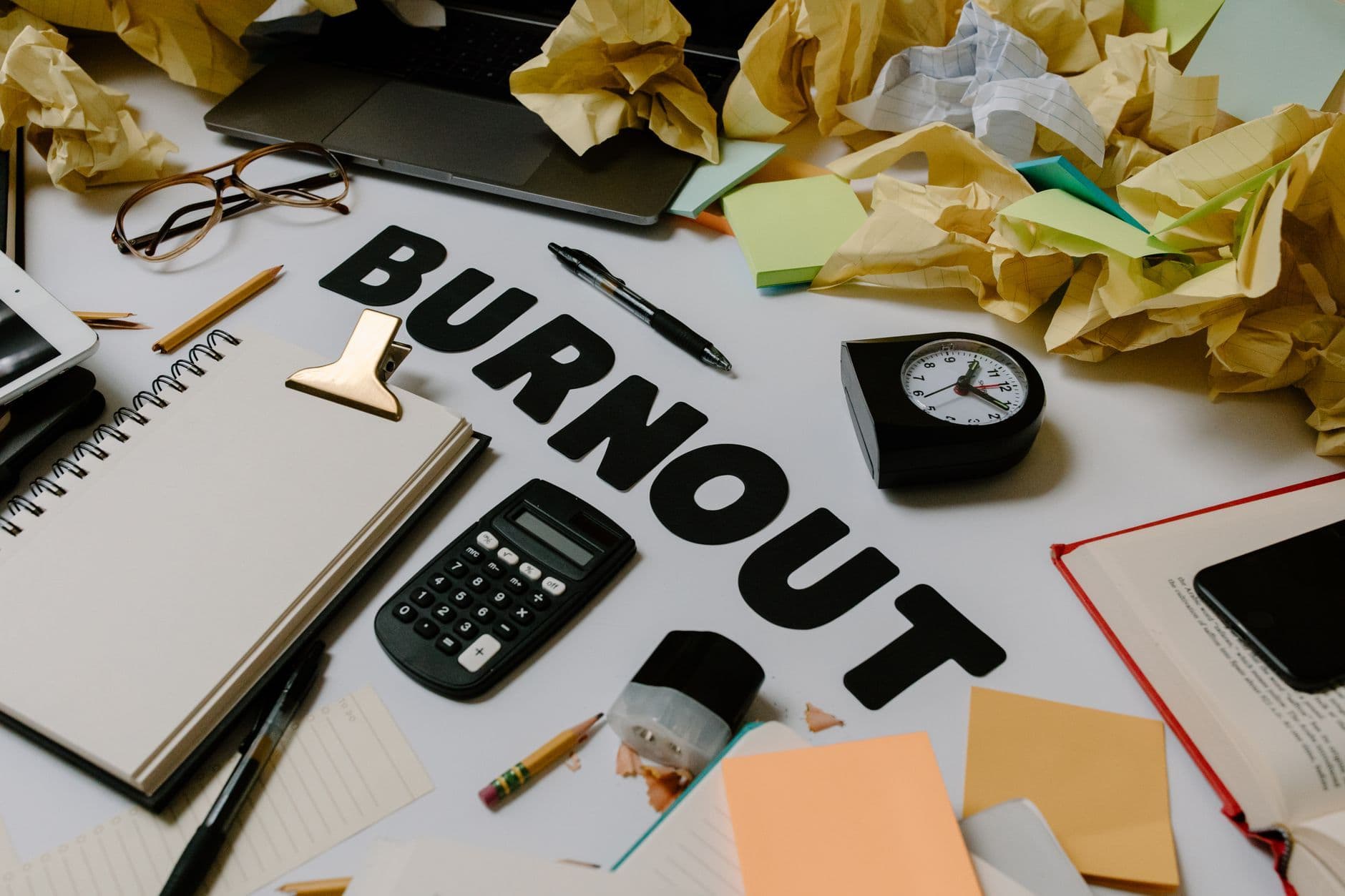
Busyness is not productivity. It is perfectly possible to spend an entire working day rushing between meetings, answering emails, completing tasks and responding to demands without making meaningful progress on the things that matter.
Yet busyness has become something of a workplace badge of honour. Busy diaries, overflowing inboxes, long hours and constant availability are often mistaken for commitment, importance and performance.
But are we actually achieving more, or have we simply become better at filling our time?
The illusion of productivity
Modern working life makes it remarkably easy to look busy.
There is always another email to answer, another meeting to attend, another report to complete or another message demanding an immediate response. Digital technology has made us more accessible than ever, but accessibility and productivity are not the same thing.
The problem is that activity is visible; value is not always so obvious.
A manager attending six meetings may appear more involved than someone spending two uninterrupted hours solving a difficult problem. An employee responding to dozens of emails may look more productive than someone quietly preventing an operational failure.
But which has created more value?
Completing tasks is not necessarily the same as accomplishing something worthwhile. Sometimes the most productive thing someone can do is stop doing something unnecessary.
Why have we become so obsessed with being busy?
Part of the problem is organisational culture.
In many workplaces, people have learned that being seen to be busy is safer than appearing to have spare capacity. An empty diary can be interpreted as a lack of importance. Finishing work early can lead to additional work rather than recognition of efficiency.
Managers can fall into the same trap, equating activity with control and visibility with performance.
There is also a psychological element. Being busy can provide a sense of purpose and achievement. A long list of completed tasks offers immediate satisfaction, even when those tasks have little strategic importance.
Meanwhile, the more difficult work — thinking, planning, improving, innovating and preventing problems — often requires time without an immediately visible output.
“It is easier to count emails than better decisions.”
The hidden cost of unnecessary activity
Busyness is not harmless. It carries a real business cost.
Constant interruptions fragment concentration. Excessive meetings reduce time available for meaningful work. Unnecessary reporting consumes resources that could be spent serving customers or improving operations.
And when everything is treated as urgent, priorities become blurred. Important work gets squeezed between the demands of the day.
There is a further danger: people become so occupied with keeping existing processes moving that they have little opportunity to question whether those processes should exist at all.
Organisations can become exceptionally efficient at doing unnecessary things.
That is not productivity. It is institutionalised waste.
The leadership problem: stop rewarding busyness
Changing this culture requires more than telling employees to manage their time better. Leaders must examine the working environment they have created.
Do managers genuinely reward results, or do they reward visibility? Are meetings necessary, or have they become the default way of demonstrating involvement? Are employees trusted to organise their work, or expected to remain permanently available?
Leaders should also examine their own behaviour. Sending messages late at night, demanding instant responses and filling diaries with meetings sends a clear signal about what is valued.
You cannot promote focused, productive working while creating a culture of constant interruption.
The answer is not to make people work harder or squeeze more tasks into every hour. It is to remove the obstacles that prevent them from doing their best work.
Measure what matters, not what is easiest to count
If organisations want better productivity, they need to look beyond hours worked, attendance, activity levels and the number of tasks completed.
They should ask more meaningful questions: what has actually been achieved? What value has been created for customers and the business? What problems have been prevented? What has improved? Where is time being consumed without a worthwhile return? Are people spending their time on the things that matter most?
This does not mean abandoning measures of activity. Some roles depend on volume, responsiveness and throughput. But activity measures need to be understood in context and connected to the outcomes they are supposed to support.
The objective is not simply to do more. It is to achieve more of what matters.
Make room for productive working
A more productive organisation does not necessarily need more hours, more meetings or more technology. It needs better alignment between people, priorities, processes and the work that actually needs doing.
That means protecting time for concentration, reducing unnecessary administration, giving people greater autonomy and challenging processes that have become habits rather than necessities.
It also means recognising that different tasks demand different working conditions. Collaboration may benefit from people coming together; concentrated thinking may benefit from uninterrupted time and a quieter environment.
The workplace should support the work, not dictate it.
Technology and AI add another dimension. They can remove repetitive tasks, accelerate processes and release time for higher-value work. But if the time saved is immediately filled with more administration, meetings and demands, the productivity opportunity has been lost. The tools that genuinely earn their place are the ones doing real work — not generating more of it.
We should be using technology to create more value, not simply to make ourselves busier at greater speed.
From busy to productive
There will always be demanding periods when people have a great deal to do. Busyness itself is not the enemy. The problem arises when activity becomes the measure of success rather than a means of achieving it.
A genuinely productive business knows what matters, gives people the opportunity to deliver it and has the confidence to stop doing things that add little value.
Perhaps it is time to change the question.
Instead of asking people how busy they are, ask what they have achieved. Instead of celebrating full diaries, look at the results. Instead of rewarding constant availability, recognise meaningful contribution.
Being busy means you have something to do. Being productive means you have made something happen.
The distinction could make a significant difference to how we work — and how well our businesses perform.